 Skip to content
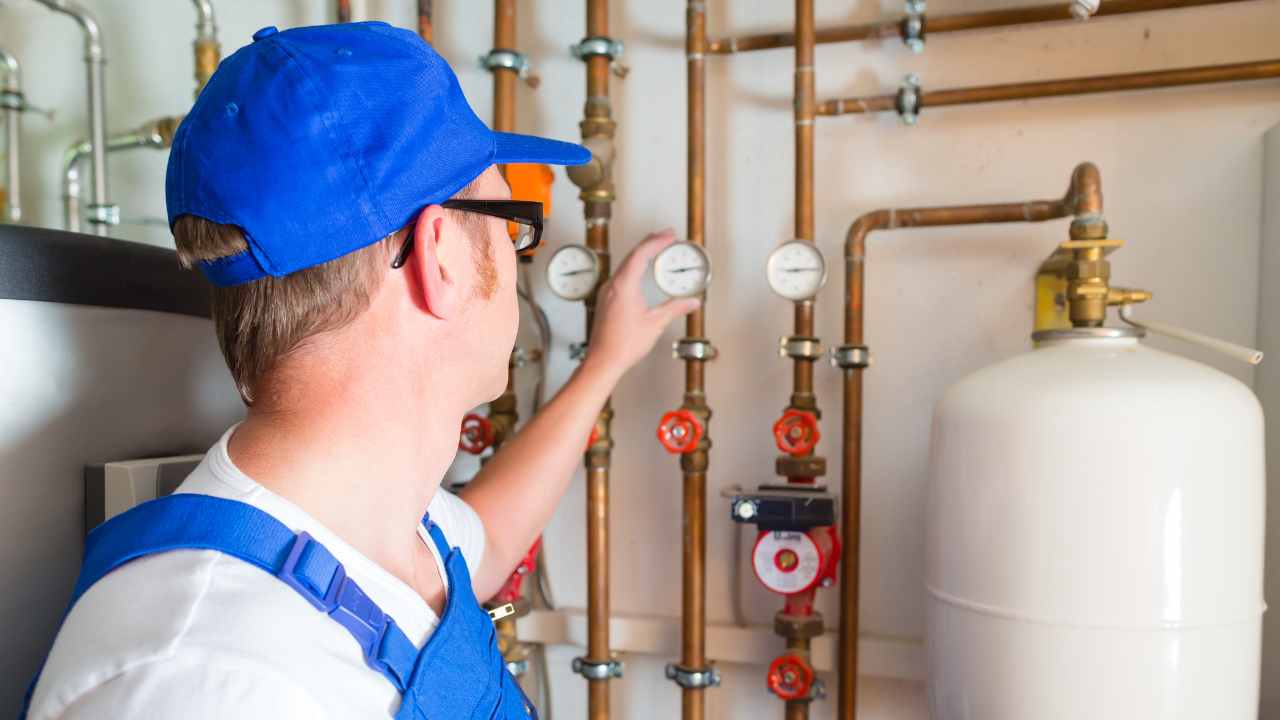

Old heating never breaks at a good time. It picks the coldest morning of the year, mid-shower, with guests due at six. If your heating is slow, patchy or costing more every winter, a heating system upgrade in Dublin typically runs between €2,500 and €5,500, depending on whether you replace the boiler, add controls, or switch fuel. Still, the hard part is knowing what to actually do. New boiler, or just better controls? Gas or electric?
This guide gives you the real 2026 costs, the grants you can and cannot get, and a straight answer on which upgrade suits your home. It is written by RGI-registered heating installers who do this work across Dublin every week.
How much does a heating system upgrade cost in Dublin?
Most heating upgrades in Dublin fall between €2,500 and €5,500. A straight like-for-like boiler swap sits at the lower end. A full upgrade with new controls, pipework changes or a fuel switch sits higher. The exact figure depends on your current system, the condition of your pipework and radiators, and the level of finish.
These are typical 2026 ranges published by Irish heating installers and independent cost guides, not Cortech quotes. Your own figure depends on your home.
| Upgrade | Typical 2026 cost, fully installed |
| Gas boiler replacement, like-for-like | €2,500 to €4,000 |
| Gas boiler upgrade with new controls or pipework | €4,000 to €5,500 |
| Oil boiler replacement | €2,700 to €5,400 |
| Electric boiler, new or gas-to-electric switch | €1,500 to €4,000 |
| System powerflush | €450 to €800 |
| Radiator replacement, per radiator | €300 to €700 |
All figures include VAT at 13.5%, the standard rate for this work in Ireland.
The biggest single variable is your existing pipework: older, narrow-bore pipes may need upgrading to run a modern condensing boiler at full efficiency, which adds labour. Smart heating controls are covered under grants below, because for eligible homes the €700 SEAI grant offsets most of the cost.
Can I get grants for a heating upgrade in Ireland?
The simple answer is you get no grant for a new boiler, €700 for controls, and the big grants are for heat pumps, not boilers.
Here is what you should know:
New gas or oil boiler:
No grant. The boiler replacement grant was removed in 2018.
Heating controls:
A flat €700 through the SEAI Better Energy Homes scheme, for homes built before 2011, regardless of boiler type. This is the one saving directly tied to a boiler upgrade, and we can help you plan for it.
Heat pumps, insulation, solar:
The larger grants (the heat pump grant rose to €12,500 in February 2026), but they need a pre-2021 home, a BER assessment, and an SEAI-registered contractor. A heat pump also needs a well-insulated home, usually a deep retrofit first, so this is a separate route.
You do not need to wait for a full breakdown. These are the common signals, and what each one usually points to:
4 Signs your heating system needs upgrading

- Uneven heat. Some rooms warm, others cold, or radiators warm at the bottom and cold at the top. Often a sludge or balancing problem, sometimes a sign the system needs a powerflush or new radiators.
- Bills climbing every year. A boiler over 15 years old can run at 70 percent efficiency or worse. A modern A-rated condensing boiler runs at 90 percent or more, which is where the saving comes from.
- Frequent repairs. Once you are calling out an engineer every season, replacement is usually cheaper over three years than repair.
- Noises, smells or a yellow flame. Banging, a smell of gas, or a lazy yellow rather than crisp blue flame need attention now. If you ever smell gas, leave it to a professional gas leak detector expert and get a check.
Heat System Upgrade Options in Ireland: How to Choose
There is no single right answer. It depends on your fuel supply, the age of your home, and your budget. Here is how the options compare.
1. Keep your boiler, add controls
The cheapest upgrade. If your boiler is under about 10 years old and running fine, adding smart, zoned controls can cut bills noticeably without a full replacement. Best value if the boiler still has life in it.
2. Replace with a modern condensing gas boiler
The most common heating system replacement for Dublin homes on the gas network. A new A-rated boiler cuts gas use significantly and is a straightforward one-day job in most cases.
3. Replace your oil boiler
For homes off the gas network, a modern oil boiler upgrade is still an efficient, practical upgrade. At Cortech, our experts can help you with this.
4. Switch to an electric boiler
Worth considering for apartments, smaller homes, or homes with no gas or oil supply. Electric boilers are compact, need no flue and no annual gas service, and are simple to install. Running costs depend heavily on your electricity tariff, so they suit some homes far better than others.
5. Heat pump
The most efficient long-term option, but only in a well-insulated home, and usually as part of a wider retrofit rather than a like-for-like swap. This is a specialist retrofit route rather than a boiler upgrade, so if that is your goal you will want an SEAI One Stop Shop rather than a boiler installer.
Gas vs electric heating in Dublin: which is right for you?
This is the question most people upgrading actually want answered. The short version: for most larger or older Dublin homes on the gas network, gas is still the cheaper day-to-day option. Electric can make sense for smaller, well-insulated homes, apartments, or homes with no gas supply.
| Gas boiler | Electric boiler | |
| Install cost | €2,500 to €4,000 | €1,500 to €4,000 |
| Running cost | Lower for most homes | Higher on standard tariffs, better on night rate |
| Annual service | Required (gas safety) | Minimal |
| Best for | Larger or older homes on the gas network | Apartments, smaller or well-insulated homes, no gas supply |
| Flue needed | Yes | No |
Install figures are typical 2026 market ranges from Irish cost guides. If you are weighing this up, the honest answer depends on your home and tariff, and it is a five-minute conversation to get right.
5 Steps to upgrade your heating system safely

Heating work is not a job for a general handyman. In Ireland, any work on a gas boiler must legally be carried out by an RGI-registered gas installer, and it is worth insisting on it. A safe, proper upgrade includes:
- A survey of your existing system, pipework and radiators before any quote
- The right boiler size for your home, not oversized or undersized
- A powerflush where the system is sludged, so the new boiler is not damaged
- Magnetic filters fitted to protect the boiler long term
- Full commissioning and a gas safety certificate on completion
Cortech’s engineers are RGI registered , so every upgrade is installed and certified to Irish standards. If anything about your current system feels unsafe, particularly a smell of gas, do not wait for the upgrade.
How long does an upgrade take?
A like-for-like boiler replacement is usually a single day. Upgrades that involve new pipework, moving the boiler, adding zoned controls or replacing radiators can take two to three days. You will get a clear timeline with your quote, before any work begins, so there are no surprises.
Thinking about upgrading your heating in Dublin?
Cortech are RGI-registered heating and gas installers working across Dublin. We will survey your system, tell you honestly which upgrade makes sense for your home and budget, and quote before any work begins. Give us a call or contact us at (01) 963 6090.