 Skip to content

Irish winters rarely bring weeks of hard frost, but the damp does something sneakier. It settles into the walls, makes every room feel colder than the thermostat says, and keeps your boiler working from October right through to April.
The good news is that keeping your heating system running efficiently comes down to three habits. Book a boiler service once a year before the cold arrives, keep radiators and controls in proper working order, and stop heat escaping through draughts and poor insulation. Get those three right and most Irish homes will burn noticeably less fuel across the season.
In this guide we go through each one in practical detail, including what a boiler service costs in Dublin right now, the radiator jobs you can do yourself in ten minutes, and the warning signs that an older system is quietly costing you money every month.

Why Do Irish Winters Put Extra Strain on Heating Systems?
Ireland’s winter problem is not extreme cold. It is month after month of damp air, near constant rain and short days that keep the heating on for six or seven hours at a stretch.
High humidity makes a home feel colder than the actual air temperature, so people push the thermostat up and the boiler runs harder for longer. Across a full season that adds up on the gas or oil bill, and it wears components out faster too.
Older Irish housing makes things worse. Plenty of homes built before modern building regulations lose heat through single glazed windows, uninsulated attics and gaps around doors. The boiler ends up replacing warmth that leaks straight back out again, which is the most expensive kind of heating there is.
How Often Should You Service Your Boiler?
Once a year, every year, ideally in late summer or early autumn before engineers get booked out. An annual service is the single biggest thing you can do for winter efficiency, and it doubles as a safety check on the appliance.
In Dublin, a gas boiler service costs €120 to €150 and takes about an hour, which is small money compared to an emergency callout in the middle of January. The engineer runs a flue gas analysis, checks for carbon monoxide, cleans the burner and confirms the boiler is firing at the pressure it was designed for.
Only a Registered Gas Installer can legally work on a gas boiler in Ireland, so always check the RGI card before anyone touches the appliance. Oil boilers need the same yearly attention, particularly the nozzle and filter, which clog gradually and drag efficiency down without any obvious symptoms.
An annual service also keeps most manufacturer warranties valid. Skip a year and you may find the cover is void at exactly the moment you need it.
Which Everyday Habits Keep Heating Costs Down?
Plenty of winter efficiency has nothing to do with the boiler itself. Small habits, repeated daily for five months, decide a surprising share of what you burn.
- Drop the thermostat by one degree. Most households never notice the difference in comfort, but the boiler certainly does.
- Run the heating on a timer that matches your routine rather than leaving it on constant.
- Keep sofas, beds and curtains clear of radiators so heat gets into the room instead of the fabric.
- Close the doors on rooms you rarely use and turn their radiator valves down.
- Keep the area around the boiler clear for airflow, and brush leaves and debris off outdoor heat pump units.
For wider household energy savings, SEAI’s energy advice is worth a read before the season starts, and it pairs nicely with preparing your plumbing for winter so the pipes and the heating get sorted in one weekend rather than two callouts.
What Should You Check on Radiators and Controls?
Radiators and controls are where efficiency is won or lost inside the house. Two jobs matter more than everything else combined.
Bleed and Balance Your Radiators
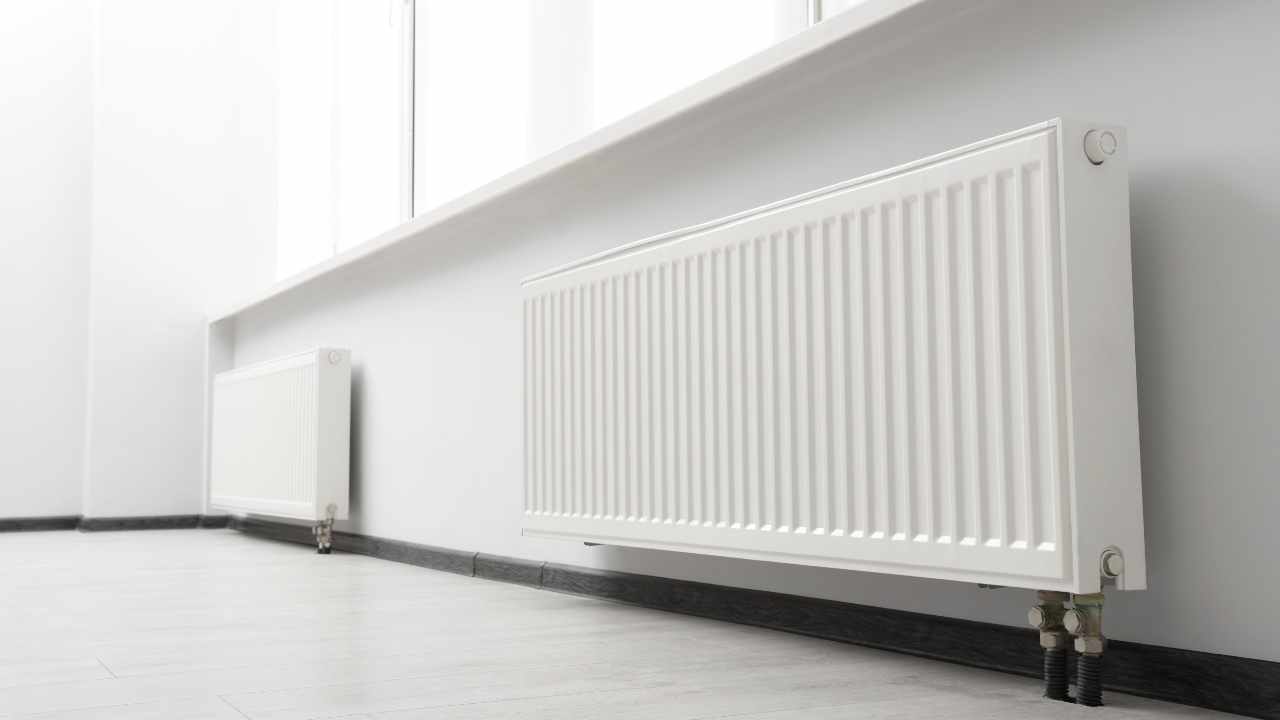
If a radiator is hot at the bottom and cold at the top, trapped air is blocking circulation. Bleeding takes ten minutes with a small brass bleed tool from any hardware shop. Hold a cloth under the vent, open it a quarter turn until water spits out, then close it again.

Cold patches at the bottom of a radiator usually mean sludge, and no amount of bleeding will shift that. A power flush from a heating engineer clears the whole system and often brings radiators back to life after years of running lukewarm.
Set Timers, Thermostats and Zones Properly
A room thermostat set around 19 to 20 degrees suits most Irish living rooms, with hallways and bedrooms comfortable a couple of degrees cooler. Chasing 23 degrees in a draughty house just burns fuel.
If your system has zoning, use it. Heating the whole house to warm one room is the dearest habit in Irish heating. Thermostatic radiator valves give you room by room control for a modest outlay and pay for themselves quickly.
When Should You Think About Upgrading an Older System?
Boilers past ten to fifteen years old lose efficiency even with faithful servicing. Parts wear, heat exchangers scale up, and the burner drifts out of tune a little more each year.
Watch for slow warm up times, banging or gurgling noises, and repair bills landing more than once a winter. If two or more of those sound familiar, it is worth reading up on the signs you need a new boiler before the current one picks the coldest week of January to give up.
Modern condensing boilers turn far more of the fuel into usable heat than models from the 2000s, so a replacement often pays for itself in lower bills over its lifetime. Our guide to heating system upgrades in Dublin walks through the options in plain terms, and the SEAI home energy grants can soften the cost of wider efficiency work such as insulation and heating controls. Grant amounts vary by home and measure, so confirm what applies to your property before you commit.
Keep the Heat Where It Belongs This Winter
Winter efficiency is not one big fix. It is an annual service, ten minutes with a bleed tool, sensible thermostat habits and honesty about when an old boiler has had its day.
If your system is due a service or the radiators never quite warm up, Cortech Plumbing’s RGI registered engineers cover homes across Dublin. Call (01) 963 6090 or request a quote online and get the heating sorted before the cold really lands.