 Skip to content

Irish winters may not bring extreme cold, but the damp conditions and long heating periods can place real strain on home heating systems. Many households rely heavily on their boilers or heat pumps for comfort during these months. Without proper care, systems can become less efficient and more costly to run.
Small issues often go unnoticed until performance drops or breakdowns occur. Understanding how to maintain efficiency helps reduce energy use and improve reliability.
In this blog, we will explore how to keep your heating system running efficiently in Irish winters, explain practical steps to support consistent warmth. The focus is on sensible maintenance and everyday actions that suit Irish homes.
Let’s start!
What Type of Heating Challenges Do Irish Winters Face?
Irish winters are known for their damp, cold, rather than extreme temperatures. High humidity combined with frequent rain makes homes feel colder, causing heating systems to work harder to maintain comfort. This constant demand can reduce efficiency if systems are not well-maintained.
Shorter daylight hours during winter also mean heating is used for longer periods each day. Homes often rely heavily on boilers or heat pumps to keep indoor temperatures stable, increasing energy consumption over time.
Many Irish properties, particularly older homes, struggle with heat loss due to poor insulation or draughts. This makes it harder for heating systems to perform efficiently, even when they are in good working condition.
How to Keep Your Heating System Running Efficiently in Irish Winters? 8 Smart Ways
Keeping your home warm during an Irish winter does not have to mean constant heating or rising energy bills. Practical adjustments can improve comfort while reducing strain on your heating system.
1. Schedule Regular Heating Servicing
Regular servicing helps keep your heating system operating safely and efficiently. It allows worn parts or minor faults to be identified early.
A well-maintained system uses fuel more effectively during cold weather. Servicing before winter reduces the risk of breakdowns.
2. Improve Insulation and Reduce Draughts

Poor insulation allows heat to escape quickly, making homes feel colder. Sealing gaps around doors and windows helps retain warmth indoors. Improved insulation supports stable indoor temperatures. This reduces how often the heating needs to run.
3. Use Heating Controls Properly
Heating controls help manage energy use more effectively. Timers ensure heating runs only when needed. Thermostats prevent rooms from overheating unnecessarily. Zoning allows better temperature control across different areas.
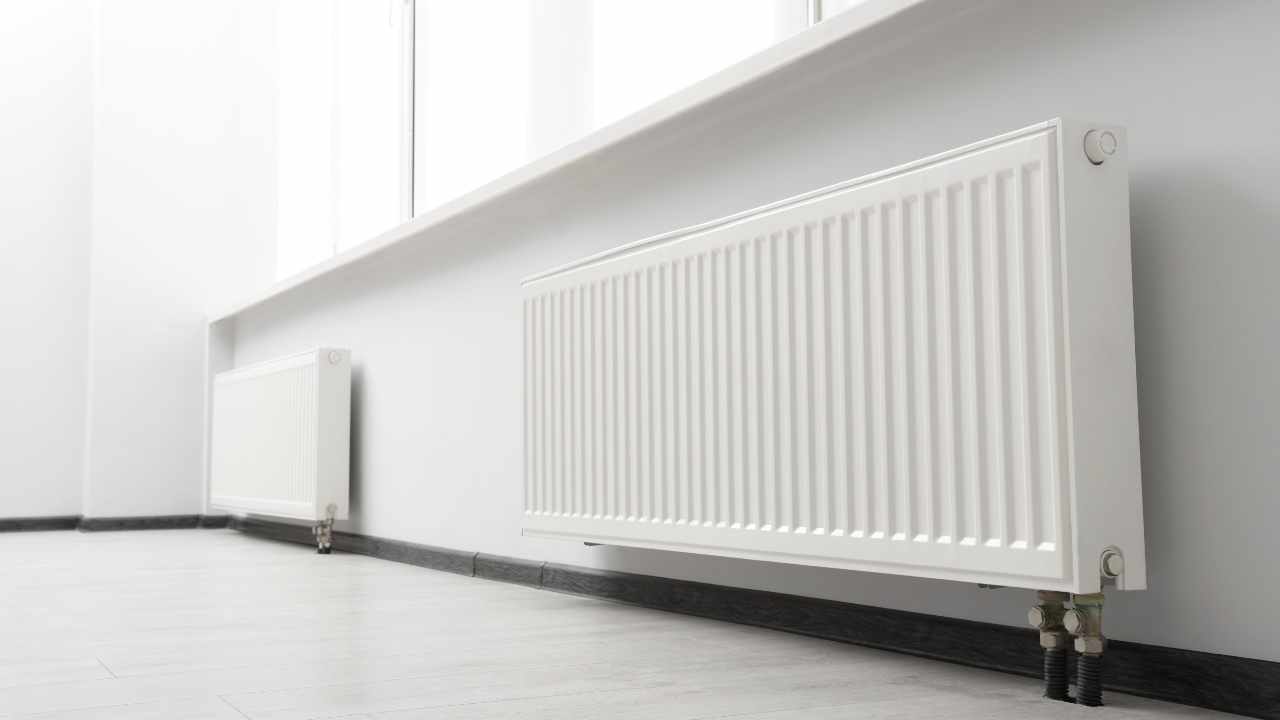
4. Maintain Radiators and Pipework
Radiators should warm up evenly across their surface. Trapped air can reduce heat output and increase running costs. Bleeding radiators improves heat circulation. Clear pipework supports efficient water flow throughout the system.
5. Avoid Overheating Your Home
Overheating increases energy consumption without improving comfort. Gradual, steady temperatures are more efficient. Lower settings reduce strain on the system. This helps maintain consistent warmth during winter.
6. Know When to Seek Professional Advice
Older systems may struggle to meet winter demand efficiently. Professional advice helps assess performance and efficiency.
Early guidance can prevent costly repairs. Understanding how to keep your heating system running efficiently in Irish winters supports long-term reliability.
7. Keep Boilers and Heat Pumps Clear

Heating units need proper airflow to operate efficiently. Dust, clutter, or blocked vents can restrict performance.
Outdoor heat pump units should also be kept free from leaves and debris. Clear access helps systems run smoothly during colder months.
8. Monitor Energy Use and Heating Patterns
Tracking energy usage helps highlight inefficiencies early. Sudden increases in consumption may indicate a system issue.
Reviewing patterns allows adjustments to heating schedules. This supports better control over winter energy costs.
When to Consider Upgrading Your Heating System?
If your heating system is over ten to fifteen years old, it may no longer operate efficiently during Irish winters. Older systems often require more fuel to produce the same level of warmth, leading to higher energy bills. Frequent repairs can also become a sign that performance is declining.
Inconsistent heating, unusual noises, or slow warm-up times may indicate the system is struggling in colder conditions. These issues often become more noticeable during prolonged periods of winter use. Relying on an underperforming system can reduce comfort and reliability.
Upgrading can improve efficiency, control, and overall performance. Modern systems are better suited to Ireland’s climate and changing energy demands, supporting long-term efficiency and consistent indoor warmth.
Conclusion
Keeping your heating system efficient during Irish winters requires a combination of regular maintenance, sensible usage, and timely improvements. As this blog has shown, understanding winter heating challenges, improving insulation, using controls correctly, and addressing early warning signs all play an important role in maintaining comfort and reducing energy waste. Taking proactive steps helps your system perform reliably when it is needed most.
If you are experiencing heating issues or want professional advice on improving efficiency, contact Cortech Plumbing today. Their experienced team can assess your system, carry out necessary maintenance, and help keep your home warm throughout the winter months.